If compact dimensions, easier movement in restricted farm spaces and specialised small-farm work matter most, the Jivo range may be the more suitable choice. If you need a machine for a wider mix of agricultural operations and heavier implement use, the Yuvo Tech+ range may deserve closer consideration.
The final decision should depend on your field layout, regular implements and the type of work the tractor is expected to handle throughout the farming cycle.
Understanding the Jivo and Yuvo Ranges
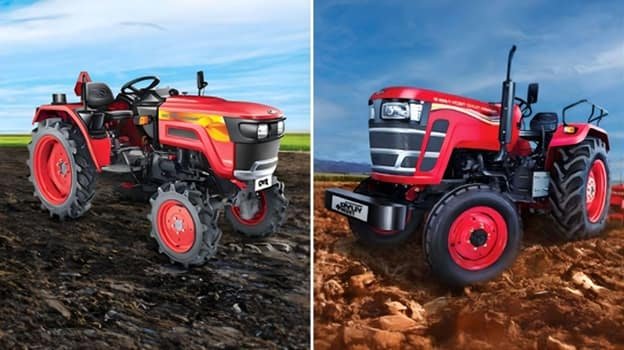
The two ranges serve different priorities. The official Jivo line is positioned as a compact range, while Yuvo Tech+ covers a broader set of agricultural operations.
For farmers considering a mini tractor, Jivo naturally enters the discussion because of its compact positioning. Since specifications vary by model, the tables below use the Jivo 225 DI and 265 DI Yuvo Tech+ as reference models from their respective ranges.
Mahindra Jivo
The Jivo 225 DI sits within the compact Jivo line. Its specification set combines a lower power category with a simpler transmission arrangement and lighter hydraulic capacity.
| Specification | Jivo 225 DI |
| Engine Power Range | Up to 14.9 kW (20 HP) |
| Maximum Torque | 66.5 Nm |
| Engine Cylinders | 2 |
| Drive Type | 2WD |
| Rated Engine Speed | 2300 r/min |
| Steering | Power steering |
| Transmission | Sliding mesh |
| Clutch | Single |
| Gears | 8 forward + 4 reverse |
| Brakes | Oil-immersed brakes |
| Rear Tyre Size | 8.3 in x 24 in |
| Hydraulic Lifting Capacity | 750 kg |
| PTO Speed | 540/750 RPM |
| Service Interval | 250 hours |
Mahindra Yuvo
The 265 DI Yuvo Tech+ sits in a higher power category than the Jivo 225 DI and uses a different transmission and hydraulic setup. This helps show how the two ranges differ in everyday farm requirements.
| Specification | 265 DI Yuvo Tech+ |
| Engine Power Range | 15.7–25.7 kW (21–35 HP) |
| Maximum Torque | 146 Nm |
| Engine Cylinders | 3 |
| Drive Type | 2WD |
| Rated Engine Speed | 2000 r/min |
| Steering | Power steering |
| Transmission | FPM |
| Clutch | Single |
| Gears | 12 forward + 3 reverse |
| Brakes | Oil-immersed brakes |
| Rear Tyre Size | 13.6 x 28 |
| Hydraulic Lifting Capacity | 2000 kg |
| PTO | MSPTO |
| Service Interval | 400 hours |
Jivo Vs Yuvo: Key Differences
The specifications point to different operating priorities. Jivo places greater emphasis on compact work, while Yuvo Tech+ provides a broader transmission and higher hydraulic capacity in the selected reference model.
| Area | Jivo | Yuvo Tech+ |
| Overall Positioning | Compact range | Broader agricultural range |
| Reference Power Category | Lower | Higher |
| Engine Cylinders | Fewer in reference model | More in reference model |
| Gear Choices | 8F + 4R | 12F + 3R |
| Transmission | Sliding mesh | FPM |
| Hydraulic Capacity | Lower | Higher |
| PTO Arrangement | 540/750 RPM | MSPTO |
| Buying Priority | Manoeuvrability and compact work | Wider implementation and fieldwork |
| Working Space | Suits restricted areas more closely | Suits less constrained spaces |
| Decision Basis | Access, row spacing and compact work | Implements, workload and wider utility |
Engine and Power Requirements
Power should be matched to actual farm work rather than treated as the only measure of suitability. A smaller machine can make sense where the task does not require a higher power category and compact movement has greater value.
The Jivo line includes several models across different power bands, while the 225 DI sits at the lower end of the range. The 265 DI Yuvo Tech+ moves into a higher category, which may matter when work involves a wider combination of implements and field operations.
Transmission and Gear Selection
Transmission affects how the operator manages speed and movement during different jobs. This is particularly relevant when farm duties change during land preparation, sowing and other implement-based operations.
The Jivo 225 DI uses a sliding-mesh transmission with eight forward and four reverse gears, whereas the 265 DI Yuvo Tech+ uses an FPM transmission with twelve forward and three reverse gears.
Gear count alone should not decide the purchase. Consider how frequently speed variation and reversing are required.
Hydraulics and Implement Use
Hydraulic capacity becomes important when the machine regularly works with mounted implements. Therefore, before selecting a particular model, you should consider the weight and operating needs of these implements.
The reference Jivo model has a lower listed hydraulic lifting capacity than the reference Yuvo Tech+ model. This difference may become relevant when the machine is expected to work regularly with equipment that places greater demands on the hydraulic system.
The wider tractor range can help with this comparison. Match the exact model to the cultivator, rotavator, seed drill or other equipment intended for regular use. Compatibility and recommended implement requirements should be confirmed before purchase.
Field Layout and Manoeuvrability
The amount of land you cultivate is only one part of the buying decision. Row spacing, turning areas, field entrances and the space available around crops can have an equally important influence on machine selection.
Compact machines can be relevant where the farm has narrow rows, tighter access points or limited turning room. The Jivo range is positioned for compact agricultural work and includes models associated with orchard and vineyard applications.
Yuvo Tech+ may be more appropriate where fields offer greater working space and the machine is expected to handle a broader task mix. Acreage alone should not decide the purchase because access routes, row spacing and field shape also affect everyday usability.
Operator Comfort and Everyday Use
Technical specifications provide only a partial view. The regular operator will interact with the machine through its steering, transmission, controls, seating arrangement and overall working position.
Both reference models list power steering, although their transmission arrangements differ. Before purchase, check control access, seating position, visibility around implements and ease of manoeuvring.
This consideration becomes particularly important when the operator uses the machine for repeated farm duties. A configuration that fits the operator and working environment may prove more practical than choosing purely on the basis of a higher specification.
Service and Long-Term Suitability
Regular maintenance should also form part of the comparison because agricultural machinery needs to remain ready for seasonal and routine work.
The official specifications list different service intervals for the two reference models. However, that figure should not be treated as the only measure of ownership convenience. Local service access, maintenance requirements and parts availability should also be considered.
Check the current service schedule for the exact variant before finalising your purchase. Specifications and features can change, so current official product literature should remain the final reference.
Conclusion
Choose according to the work that happens most often on your farm. Jivo may be the more logical direction where compact dimensions, restricted spaces and lighter implement requirements dominate. Yuvo Tech+ may suit farms needing a wider mix of operations and greater implement capability.
The better choice is the one that matches field layout, crop pattern, implements and operator needs. Rather than treating Jivo and Yuvo as direct substitutes, compare them according to the farming priorities they are designed to address. This makes the decision more practical and keeps attention on how the machine will actually be used throughout the farming cycle.