A healthy diet keeps a child active and supports better digestion. Fiber is a significant component of a balanced diet and can be included in everyday foods. Including fiber-rich foods in a child’s diet plan helps to meet the desired nutritional requirements.
From fruits and vegetables to whole grains, making simple choices adds variety and nourishment to a child’s plate. Read on to learn more about fiber-rich foods for kids and adults.
9 Fiber-Rich Foods for Kids to Support Healthy Digestion
Listed below are 9 fiber-rich foods appropriate to include in kids diet plan for healthy digestion:
Oatmeal
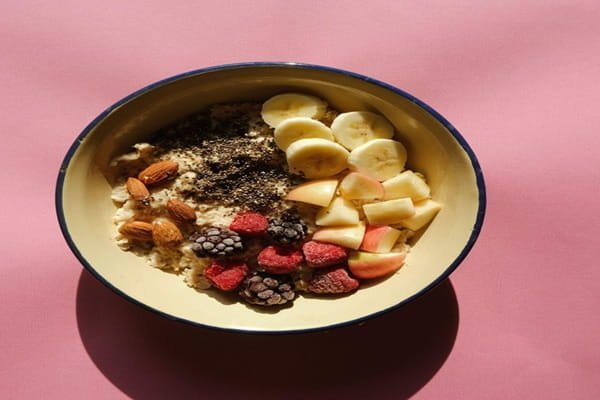
Kids can have a budget-friendly and filling breakfast with oatmeal. It has dietary fiber, which promotes regular bowel movements. For additional nutrition, serve it with seeds, fruits and little portion milk. Another way to reduce added sugar in a child’s meal is to choose plain oats.
Apples
Apples are a good source of fiber, especially if the skin is stripped off correctly and properly washed. They have natural sweetness and are an easy snack option for children.
Sliced apples can be combined with a suitable nut or seed butter and served. They are also rich in vitamin C and other nutrients.
Carrots
Carrots contain fiber, and there are many ways to include them in a child’s meals. These can be eaten raw, steamed, roasted or added to soups and curries.
Their bright colors also turn every meal more appealing. Carrots contain beta-carotene, which the body further converts into Vitamin A.
Popcorn
Eating plain popcorn can also be a source of fiber when served without too much butter, sugar or salt. This snack is appropriate for kids who can chew and swallow it safely. Young children might be at risk of choking with popcorn. So, parents must consider the age of the child and safety-related concerns before serving.
Bananas
Bananas are an easy fruit for children to eat. They provide dietary fiber, potassium and other nutrients. You can add ripe bananas to smoothies, oatmeal and even homemade snacks. Its soft texture also makes it convenient for younger kids when learning to try new foods.
Whole Grain Bread
Whole grain breads consist of more fiber than other refined bread options. You can use it to make simple sandwiches or toast. Also, it can be paired with vegetables, eggs or other healthy and nutritious stuffings to make a balanced meal. Reading the ingredient list can also help you identify breads containing whole grains.
Berries
Berries like strawberries, raspberries and blackberries may provide natural sweetness and add fiber to a child’s diet plan. You can add them to oatmeal, yogurt or smoothies. Berries are also rich in vitamins, minerals and plant compounds. They bring a variety to a balanced diet when combined with other vitamin-rich foods like mentioned above.
Sweet Potatoes
Sweet potatoes are a good source of fiber and complex carbohydrates. They can be baked, steamed, mashed or used in soups. They are naturally sweet flavored and kids might like them. Sweet potatoes are also a good source of beta-carotene and other nutrients which are vital for a well-balanced diet.
Whole Grains
Whole grains include foods like brown rice, whole wheat, barley or quinoa. They have a higher amount of grain parts than refined grains and therefore provide more fiber. Parents can include this in their child’s everyday meals. Different whole grains can also add variety and make children’s meals more interesting.
Children might require more time to adjust themselves with high fiber foods. Add fiber-rich foods to the diet and ensure they drink enough fluids throughout the day. Children can get a range of nutrients from a diet that includes fruits, vegetables, whole grains and other healthy foods.
Conclusion
Healthy eating habits start with everyday simple choices. Keeping a wide variety of nutritious food options available to children makes mealtimes more enjoyable. Parents can gradually add new foods and allow children to explore various tastes.
Nutritional needs vary amongst children and food amounts. Moreover, food choices should match their age and nutritional needs. To seek personalized advice, parents should consult a qualified healthcare professional.