With rising energy costs and growing pressure to improve efficiency, commercial buildings are looking for smarter ways to reduce operational expenses. From office spaces and hotels to hospitals and retail centres, building owners are focused on solutions that lower costs while maintaining comfort and performance. In this changing landscape, heat pumps are becoming an increasingly practical choice, offering energy-efficient heating and long-term savings.
Heat pumps are proving to be a smart investment for commercial buildings because they offer reliable heating while significantly reducing long-term operational costs. Here is how they make a measurable difference.
Understanding How Heat Pumps Work
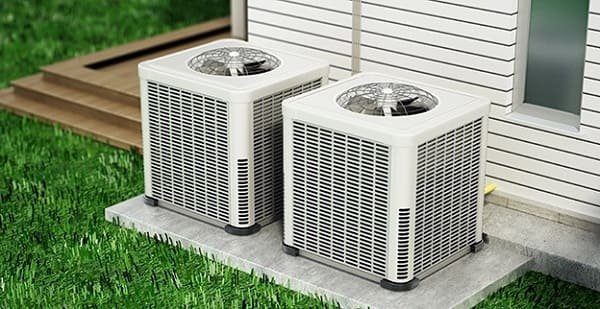
Unlike conventional heating systems that generate heat by burning fuel or using high electrical resistance, heat pumps work by transferring heat from one place to another. They draw heat from the surrounding air, water, or ground and move it indoors for heating purposes.
This process is far more energy efficient because it uses less electricity to deliver the same level of comfort. For commercial buildings with large heating demands, this efficiency can lead to substantial savings over time.
Lower Energy Consumption Means Lower Bills
One of the biggest reasons businesses are switching to heat pumps is reduced energy consumption. Traditional water heating and space heating systems can be expensive to run, especially in large facilities that operate throughout the day.
Heat pumps consume significantly less power because they are designed to move heat rather than create it from scratch. This helps reduce electricity usage and lowers monthly utility bills.
In buildings with high hot water demand, such as hotels, hospitals, gyms, and apartment complexes, heat pump water heaters provide a reliable supply of hot water while helping keep energy costs under control.
Reduced Maintenance and Long-Term Reliability
Commercial buildings need systems that are dependable and easy to maintain. Frequent repairs and downtime can increase operating costs and disrupt daily activities.
Heat pumps generally have fewer moving parts compared to conventional combustion-based systems. This often translates into lower maintenance requirements and reduced servicing costs.
With proper installation and regular upkeep, commercial heat pump systems can offer long service life, making them a cost-effective choice over the years.
Better Energy Management Across Building Operations
Modern commercial heat pumps can be integrated into smart building systems, allowing facility managers to monitor performance, control temperature settings, and optimise energy use in real time.
This improves overall building efficiency by:
- Reducing energy wastage
- Maintaining stable indoor comfort
- Managing heating loads during peak hours
- Improving system performance through automation
Better control leads to better cost management, especially in buildings where energy usage is high and continuous.
Supports Sustainability and Compliance Goals
Energy efficiency is increasingly linked to environmental compliance and green building standards. Commercial buildings today are expected to reduce carbon emissions and improve sustainability performance.
Heat pumps support these goals by:
- Using less energy than traditional systems
- Reducing dependence on fossil fuels
- Lowering carbon footprint
- Supporting green certifications and ESG targets
This not only helps the environment but can also improve brand reputation and attract environmentally conscious tenants or customers.
Scalable for Different Commercial Needs
Another major advantage of heat pumps is flexibility. They can be used across a wide range of commercial settings, including:
- Office buildings
- Hotels and resorts
- Healthcare facilities
- Educational institutions
- Industrial spaces
Whether the need is for a central hot water supply, space heating, or both, heat pumps can be scaled and configured to suit different building sizes and usage patterns.
Conclusion
For commercial buildings looking to control expenses without compromising comfort or performance, heat pumps offer a practical and future-ready solution. By reducing energy use, lowering maintenance needs, and supporting sustainability goals, they help businesses cut operational costs in a meaningful way. As commercial spaces continue to prioritise efficiency and long-term value, heat pumps are becoming an essential part of smarter building operations.